A 50-State Comparison of the Rules
If you have a criminal record and you’re job hunting, the job search can look very different depending on state laws. Some states give employers wide latitude to ask about your criminal history—and reject you because of it. Other states limit how employers can consider that history, helping protect employment opportunities for job seekers.
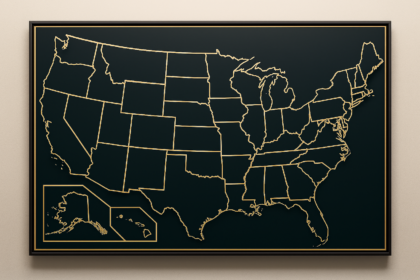
These rules are often called “ban‑the‑box” or fair‑chance hiring laws. Below, we break down the different ways U.S. state laws regulate hiring people with criminal records, and list every state so job applicants can quickly find where they stand.
| State |
Individualized Assessment |
Delayed Inquiry |
Public Sector |
| Alabama |
|
|
|
| Alaska |
|
|
|
| Arizona |
|
|
✓ |
| Arkansas |
|
|
|
| California |
✓ |
✓ |
✓ |
| Colorado |
✓ |
✓ |
✓ |
| Connecticut |
|
✓ |
✓ |
| Delaware |
|
|
✓ |
| District of Columbia |
✓ |
✓ |
✓ |
| Florida |
|
|
|
| Georgia |
|
|
✓ |
| Hawaii |
✓ |
✓ |
✓ |
| Idaho |
|
|
|
| Illinois |
|
✓ |
✓ |
| Indiana |
|
|
✓ |
| Iowa |
|
|
|
| Kansas |
|
|
✓ |
| Kentucky |
|
|
✓ |
| Louisiana |
✓ |
✓ |
✓ |
| Maine |
|
✓ |
✓ |
| Maryland |
|
✓ |
✓ |
| Massachusetts |
|
✓ |
✓ |
| Michigan |
|
|
✓ |
| Minnesota |
|
✓ |
✓ |
| Mississippi |
|
|
|
| Missouri |
|
|
✓ |
| Montana |
|
|
|
| Nebraska |
|
|
✓ |
| Nevada |
|
|
✓ |
| New Hampshire |
|
|
✓ |
| New Jersey |
✓ |
✓ |
✓ |
| New Mexico |
✓ |
✓ |
✓ |
| New York |
✓ |
✓ |
✓ |
| North Carolina |
|
|
✓ |
| North Dakota |
|
|
✓ |
| Ohio |
|
|
✓ |
| Oklahoma |
|
|
✓ |
| Oregon |
|
✓ |
✓ |
| Pennsylvania |
✓ |
✓ |
✓ |
| Rhode Island |
|
✓ |
✓ |
| South Carolina |
|
|
✓ |
| South Dakota |
|
|
|
| Tennessee |
|
|
✓ |
| Texas |
|
✓ |
✓ |
| Utah |
|
|
✓ |
| Vermont |
✓ |
✓ |
✓ |
| Virginia |
|
|
✓ |
| Washington |
|
✓ |
✓ |
| West Virginia |
|
|
|
| Wisconsin |
|
|
✓ |
| Wyoming |
|
|
|
Key:
Individualized Assessment: Before rejecting an applicant, an employer must assess job-relatedness and give an applicant an opportunity to correct errors in a background check.
Delayed Inquiry: Employers cannot ask about criminal history on the job application. Asking later in the hiring process is allowed, and an employer may reject an applicant without providing much, if any, explanation.
Public-Sector Coverage: Protection applies to state or local government jobs, but not the private sector.
Some states have no statewide law about hiring someone with a criminal record: Alabama, Alaska, Arkansas, Florida, Idaho, Iowa, Mississippi, Montana, South Dakota, West Virginia, and Wyoming. But if you live in one of these states, you still have certain protections.
Federal Law Applies in Every State
Before getting deeper into state-level protections, it’s important to note that two federal laws are especially important for job seekers with criminal records. Even if your state has weak protections, these laws apply nationwide and may still be relevant for your situation: Title VII of the Civil Rights Act and the Fair Credit Reporting Act.
Under Title VII, employers may not use arrest and conviction records in a way that unlawfully discriminates based on protected classes like race or ethnicity. Because people of color are more likely to have contact with the criminal legal system, blanket policies—such as refusing to hire anyone with a conviction—can violate federal law if they have a disparate impact, unless the employer can show the policy is job‑related and truly necessary.
The FCRA regulates how employers obtain and use background checks, and can prohibit employers from relying on criminal history information without following certain strict procedures. Employers must get your written permission, give you a copy of the report and a notice of your rights before taking adverse action, and give you time to dispute errors or provide context. If an employer skips these steps, that may be illegal.
State laws that are focused on fair chance hiring vary widely in how much protection they offer. Here are all 50 states, plus Washington, D.C., from most to least protective.
Individualized Assessments Prevent Automatic Rejection
States: California, Colorado, District of Columbia, Hawaii, Louisiana, New Mexico, New York, New Jersey, Pennsylvania, Vermont
In these states, job applicants with criminal records receive the strongest protections. State laws prohibit automatic rejection based solely on criminal history and instead require employers to evaluate applicants wholistically.
The specifics of the individualized assessment vary by state, but they generally require that an employer consider whether a conviction is related to the job and how much time has passed. Many laws also require advance notice before a rejection so an applicant can challenge inaccuracies in their criminal history file.
This matters because it prevents automatic rejection. Employers cannot rely on blanket rules or old, unrelated convictions without justification. Applicants have clearer rights and stronger remedies if a decision is unfair.
Delayed Inquiry Helps an Employer See You, Not Your Record
States: Connecticut, Illinois, Maine, Maryland, Massachusetts, Minnesota, Oregon, Rhode Island, Texas, Washington
These states prohibit criminal‑history questions on the initial job application. The goal is to ensure applicants are considered for their qualifications first.
But these laws usually do not control what happens later. Employers may ask about criminal history after the initial stage and may reject applicants or revoke job offers without much explanation. Individualized assessments are often allowed but not required.
For job seekers, the protection is real but limited. You may get further in the process, but unfair rejections are still possible.
Public Sector Rules Create Protections in More States
States: Arizona, Delaware, Georgia, Indiana, Kansas, Kentucky, Michigan, Missouri, Nebraska, Nevada, New Hampshire, North Carolina, North Dakota, Ohio, Oklahoma, South Carolina, Tennessee, Texas, Utah, Virginia, Wisconsin
In these states, fair‑chance rules apply to government jobs. State or local agencies may be required to delay criminal‑history inquiries. Many states that don’t have laws that apply in the private sector still have public sector protections.
These protections often come from executive orders or civil‑service rules. As a result, they can be narrower and harder to enforce than statutes. They also do not help most private‑sector job seekers.
If you are applying for a government job, these rules may matter a great deal. If you are applying for a private job, state law may offer little help.
No Statewide Ban‑the‑Box Law
States: Alabama, Alaska, Arkansas, Florida, Idaho, Iowa, Mississippi, Montana, South Dakota, West Virginia, Wyoming
These states have no statewide law to prohibit employers from asking about criminal history early or from rejecting people when hiring people for private sector jobs. Decisions may be made quickly and without explanation.
That does not mean applicants have no rights. Federal law still applies, and some cities or counties offer stronger protections.
A Job Denial Isn’t Always Legal—Even in Tough States
Even in states with weak protections, employers do not have unlimited freedom to reject applicants with criminal records. Some rules apply everywhere.
Across the country:
- Arrests without convictions often cannot be considered
- Sealed or expunged records may be off‑limits
- Blanket policies that exclude anyone with a record can raise legal issues
- Cities and counties may offer stronger protections than the state
If a job rejection feels unfair or surprisingly fast, trust that instinct. An attorney can help you think about it.
We Can Help You Take Action
If an employer denied you a job because of your criminal record, you may have a claim. Outten & Golden helps people with criminal records protect their employment opportunities and challenge unfair treatment of job applicants.
If you were recently denied a job, contact us now for a confidential case review. Our intake team is available at 866-772-4133, Monday to Friday, 8:30am to 9pm Eastern time.
This was co-written by Jon Steingart, Senior Content Strategist at Outten & Golden LLP.